Shortness of Breath Algorithm: PE vs CHF vs COPD vs Pneumonia Explained
Shortness of breath algorithm for USMLE: differentiate PE vs CHF vs COPD vs pneumonia using pattern recognition, high-yield clues, and ED-focused decision making.
ClinicalsStrengthen clinical reasoning across common presentations, inpatient scenarios, outpatient management, emergency decisions, and high-yield exam patterns. These articles connect symptoms, exam findings, labs, imaging, and management so your review feels closer to the way USMLE questions are written.
Pick one guide that matches what you keep missing, then use MDSteps examples to practice that reasoning in question form.
1. Pick a guide below → 2. See how MDSteps teaches it → 3. Try a sample breakdown →These guides are meant to make the next vignette feel less confusing, not add another long reading assignment to your day.
Study the signs, labs, wording, and clinical setup that point you toward the most likely answer.
Practice separating the best answer from the option that only sounds close.
Use missed questions to decide what to review next instead of rereading everything again.
Shortness of breath algorithm for USMLE: differentiate PE vs CHF vs COPD vs pneumonia using pattern recognition, high-yield clues, and ED-focused decision making.
Clinicals

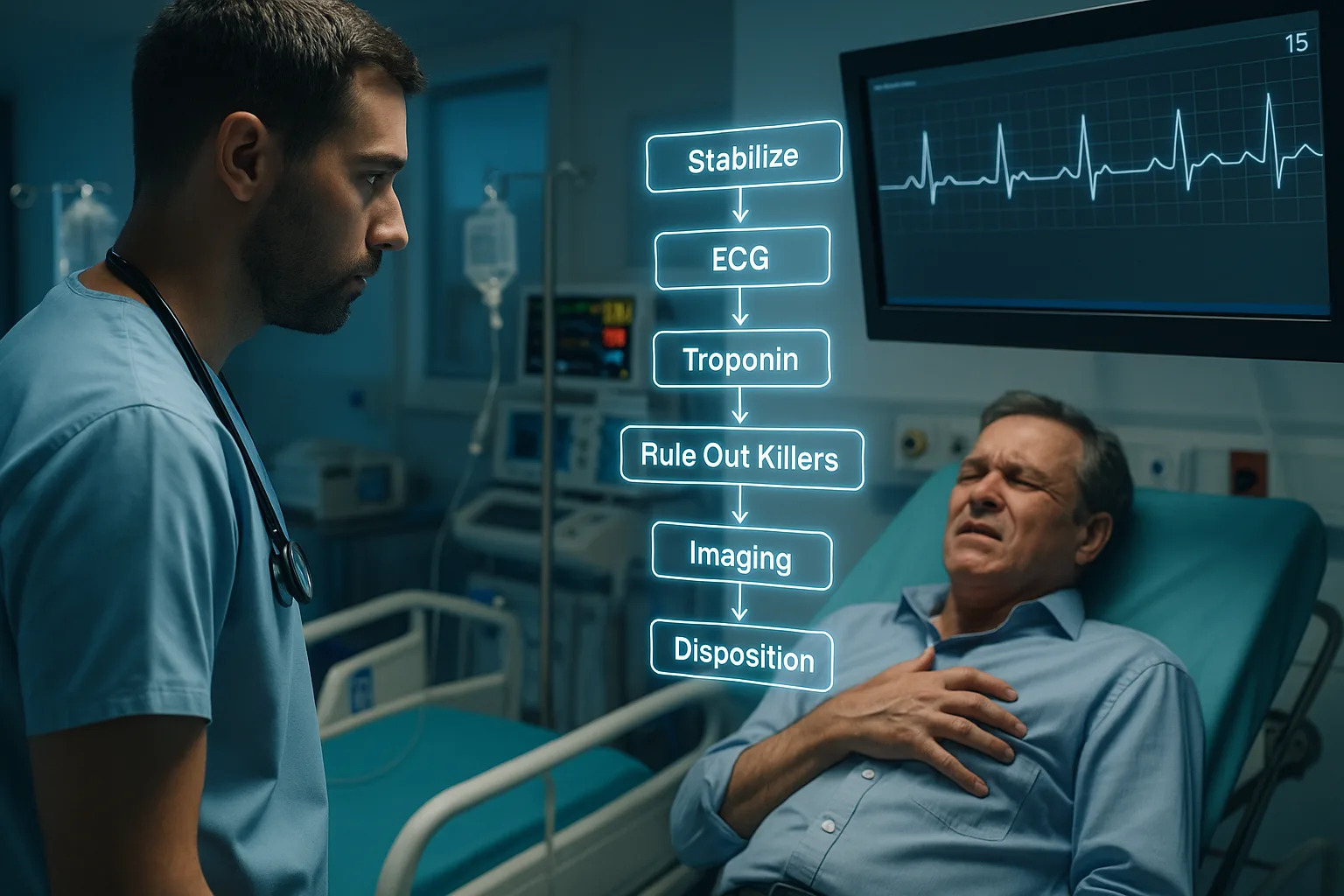
Master the ED chest pain workup algorithm for Step 2 CK & Step 3 with a high-yield guide to ACS evaluation, imaging choices, risk tools, and exam-ready decision path
Clinicals
A high-yield USMLE abdominal pain algorithm covering RUQ, RLQ, and LLQ diagnostic pathways with vignette clues, red flags, and exam logic.
Clinicals
A practical, exam-day toolkit to decide whether to image, which modality, and how to spot the radiographic tells that board vignettes rely on.
Clinicals
This guide links Step 1 structure/function with Step 2–3 patterns so MSK questions feel predictable on exam day.
Clinicals
Acute ischemic stroke questions frequently simulate the high-stakes decision-making of the emergency department.
Clinicals
Step 2 CK is not a test of memorized minutiae but of rapid clinical decision-making.
ClinicalsReview how MDSteps combines clinical vignettes, explanations, analytics, and targeted review so reading can translate into better decisions under exam pressure.